
Boost Customer Engagement: Top techniques to transform your business
- Feb 10
- 5 min read
Every day, you experience the VUCA world to the max. Business is getting more volatile, uncertain, complex and ambiguous by the day. Going circular (closing, slowing, narrowing or regenerating resource loops) pays off. But where to start? Connecting with your audience will help you speed up. When you boost customer engagement, you keep your customers close and create advocates who fuel growth and innovation. But how do you do it effectively? Let's dive into the top techniques to help you build meaningful relationships with your customers, share learnings with your partners, and future-proof your business.
Why Chatting with your Customers is key
Engagement is the heartbeat of any thriving business. It's not just about selling a product or service; it's about creating an experience that resonates. When customers feel valued and involved, they stick around longer, spend more, and spread the word. Besides, it will help you to identify adoption hurdles at an early stage of innovation.
Especially when you would like to innovate your business model, like we discovered when we supported Philips by developing and commercializing a new circular business model. In very close collaboration with the Philips team, we identified risky assumptions. Even with our shared knowledge and strong opinions on customer adoption, we were still pleasantly surprised by running the customer validation.

Here's what you can do to start boosting engagement today:
Set up a closed ambassadors' community to collect valuable user insights.
Personalize interactions to make customers feel unique.
Leverage technology to create seamless experiences.
Encourage feedback and act on it quickly.
Reward loyalty with meaningful incentives.
These strategies aren't just buzzwords. They're proven methods that can transform how your business connects with its audience.
Practical ways to boost Customer Engagement
Ready to take action? Here are some practical techniques that you can implement right now in your innovation process, going circular:
1. Use data to identify Moments of Truth and Proof
Data is your secret weapon. By understanding the customer journey, from pre-purchase, use to post-use, you can tailor your offer and messages. For first users as well as for every following user. Capturing new value at crucial moments: when they choose you and for confirmation of the choice they made.
Send personalized emails to stimulate longer use or re-use.
Customize website content to enable repair and nudge sustainable behavior.
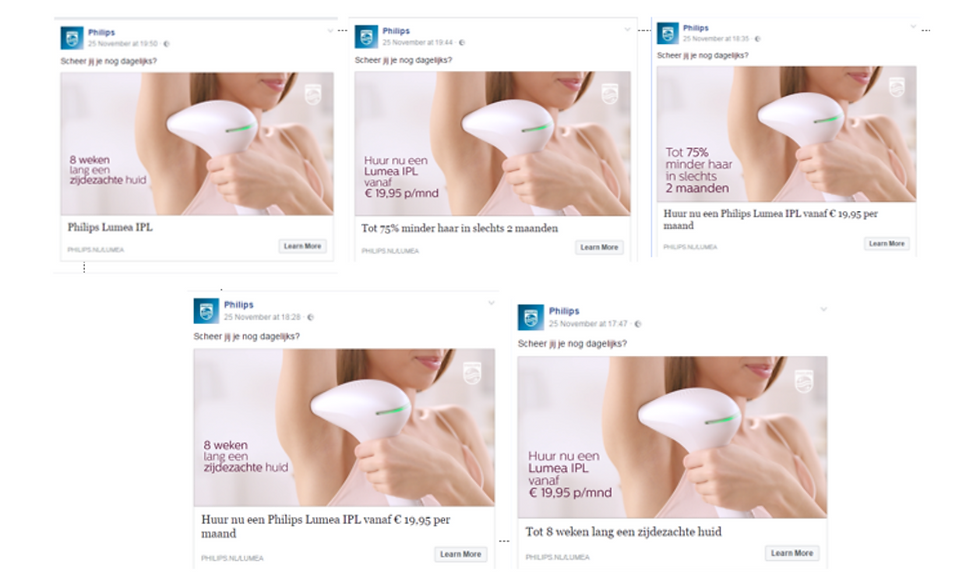
Use targeted ads for your new business model that speak directly to unmet customer needs.
2. Bring your content to life
Static content is out. With interactive content, you grab attention and invite participation. Like we did when validating new circular business models for Philips Lumea, with quizzes, polls, and in-depth conversations.
Host live Q&A sessions to gather customer wishes, concerns, and issues.
Use polls on social media to gather opinions.
Create quizzes that help customers find the right business model.
3. Engage your community in your innovation process
People crave connection. Building a community fosters loyalty and encourages customers to engage regularly.
Launch a branded forum or social media group.
Encourage user-generated content and share it.
Organize events or webinars that bring customers together.
4. Reward engagement with incentives
Everyone loves a reward. Incentives motivate customers to help you innovate and validate your most risky assumptions.
Offer exclusives for active community members.
Create a loyalty program with tiered rewards for early adopters.
Run contests that encourage sharing and participation.
5. Provide exceptional support
Fast, helpful support turns frustrated customers into loyal fans. And convince reserved partners to join your minimal viable ecosystem.
Use chatbots to provide instant customer responses on sustainable choices.
Include partners to understand issues and how to handle them empathetically.
Learn from support interactions to improve the seamless customer journey.
These techniques are not just theoretical. They are actionable steps that can make a real difference in how your customers perceive and interact with your new circular solution.
Zooming in on customer engagement
Let's look at a concrete example. Imagine a premium hair removal device that addresses both adoption barriers (will it work on me?) and financial barriers (is it worth the investment?). The team assumed that a circular service model could convince customers. To understand all the crucial moments of truth and proof in the new, sustainable customer journey, Philips needed to deepen its connection with customers.
Here's how we engaged wth customers to learn and improve the business model:
We selected sellers of Philips Lumea on Marktplaats and set up a closed community to understand their reasons for selling. Getting more insights on post-purchase considerations.
We hosted direct, candid conversations with the product manager about adoption barriers, compelling arguments, and the messages that resonate best.
We identified crucial moments, channels, and partners to set up a closed loop for a seamless customer journey.
We created fans: loyal ambassadors who tried and tested the new business model and shared their reviews with their network, generating thousands of mouth-to-mouth referrals.
We showcased our learnings as input for the Playbook to help all Philips Businesses go circular.
This multi-channel approach keeps customers and partners involved and invested. It's not just about buying stuff anymore; it's about being part of a movement.
Embedding circularity in engagement strategies
Circularity is more than a trend; it's a business imperative and a great way to tackle long-term competitiveness. Embedding sustainable innovation into your engagement strategies can set you apart.
Share your sustainability journey transparently.
Involve customers in smaller footprint initiatives.
Understand how to design a seamless circular journey.
Highlight circular business models and their benefits.
Encourage customers to participate in recycling or upcycling programs.
Nudge sustainable behaviour.
This approach also aligns with the values of today's conscious consumers. It's a win-win-win: for your business, for our society, and for the planet.
Your next steps to boost Customer Engagement
Now that you know the top techniques, it's time to act. Design your ideal circular business, test what works, and scale your efforts. Remember, engagement is an ongoing journey, not a one-time project.
Ask yourself:
What moments are crucial for my customers? And for my partners to close a loop?
How can I engage with my customers today to validate the barriers to sustainable adoption?
What interactive content will enable new insights? For ourselves or our partners?
How can I build a stronger community around my innovation journey?
What incentives will motivate my customers to engage at the early stage? And which will engage my partners?
By answering these questions and implementing the strategies outlined here, you'll be well on your way to creating lasting connections that drive new value creation and sustainable innovation.
For more insights on how to enhance your business through meaningful connections, explore this resource on customer engagement.
Boosting customer engagement is not just about keeping up with trends. It's about future-proofing your business by embedding sustainable innovation and creating value that lasts. Start small, and watch your organization transform.
Comments